
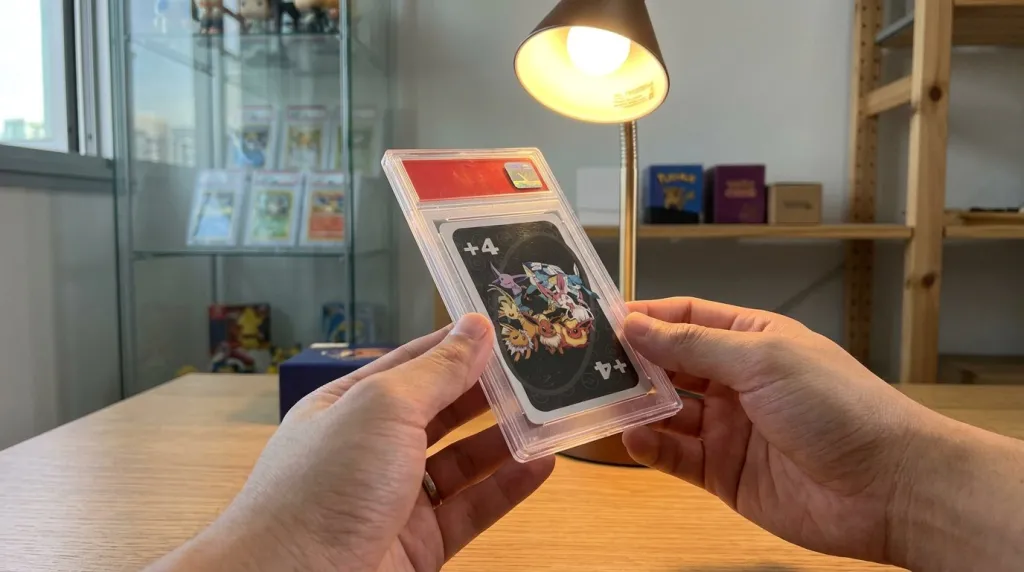
A high grade isn’t always the best outcome for a card. Authenticated graded trading card slabs combine an assessment of condition with authentication. Authentication without grading may suit you if you only want to know whether a card is genuine. Since grading generally includes authentication, the right option depends on what you want to learn or protect.
Before choosing, consider your card’s condition, value, and role in your collection. A numerical grade reflects visible condition, while authentication focuses on whether the card is genuine. A slab can help protect the card, and its certification number lets you compare the label with the grading company’s record. This guide explains what graders assess, how authentication-only differs, what slabs do, and how to check a certification lookup, with practical guidance for collectors in Singapore.
Key Takeaways
- Choose grading when a condition assessment matters; consider authentication alone when you want to establish whether a card is genuine without a numerical grade.
- Learn which visible condition issues can affect a grade, from whitening and bends to surface damage.
- Understand how a protective slab can help maintain a card’s condition while keeping it enclosed.
- Use a certification lookup to compare the card and grade with the record and images, and spot mismatches.
CGC and SGC as alternative grading options
PSA, Beckett, CGC, and SGC are grading companies collectors may compare. Grading generally includes authentication, while some companies also offer authentication without a numerical grade. Submission options and labels vary, so decide which outcome you want before choosing a company. A condition score, an authenticity opinion, or both may matter most for your card.
Authentication without grading can suit a card you want assessed without a numerical condition score. Collectors may choose it when they don’t want a low grade to influence a future sale. For an extremely rare card, establishing authenticity is important when assessing its value. A signed sports card is another example where authentication can matter to collectors.
| Option | Assessment | What to compare |
|---|---|---|
| PSA | Grading and authentication | Available submission choice and label details |
| Beckett | Grading and authentication | Requested assessment and record lookup |
| CGC | Grading and authentication | Submission choice and certification record |
| SGC | Grading and authentication | Submission choice and certification record |
| Authentication only | Authenticity assessment without a numerical grade | Whether condition scoring is needed |
Which companies authenticate and grade trading cards in Singapore? PSA, Beckett, CGC, and SGC are companies collectors can compare. They are US grading and authentication companies, not necessarily Singapore-based providers. A submission route may involve an overseas grader or a local intermediary, so distinguish the company assessing the card from the party handling the submission.
What should Singapore collectors consider for shipping, insurance, and customs? Arrangements depend on the submission route. Before sending a card, establish who handles outbound and return shipping, what insurance applies, and who manages customs paperwork.
Choose a grading company and submission type based on whether you want a numerical grade, authentication alone, or both. Then select a route that clearly explains each step in handling your card.
Card condition assessment and numerical grades
Condition assessment and numerical grading are related but distinct parts of a card review. Graders examine the card’s physical features, then summarize its overall condition with a score.
Card Condition Assessment
Condition assessment focuses on a card’s physical state, not whether it is genuine. A grader may inspect scratches, water damage, bends, whitened borders, discoloration, clouding, and whether the card lies flat. Stamps, border tampering, and other visible changes can also affect the assessment. For example, whitening along an edge remains a condition issue even when the card is genuine.
Damage varies by location and type. A surface scratch differs from a crease, while a card that does not lie flat may show bending. Graders assess the card as a whole rather than judging it by one clean corner. Custom cards can raise a separate concern if their designs differ substantially from the original.
Numerical Grade Assignment
A numerical grade condenses the condition assessment into a score. It doesn’t establish authenticity on its own, although grading generally includes an authentication step. Bends, edge whitening, or surface damage can contribute to a lower grade than a comparable card without those issues. The score describes physical condition, not the personal meaning a card may hold for you.
Custom cards show why it helps to read the label carefully. If a design differs substantially from an original, a grader may assign an “Authentic” label without a numerical grade. This distinguishes an authenticity decision from a condition score. If you plan to sell the card, the label tells buyers what assessment the grader made.
Where can you buy or sell authenticated graded trading cards in Singapore? Gaming Otaku offers trading card sourcing for collectors looking for cards, and trading card consignment for owners who want to list cards for sale.
To explore those options, review trading card sourcing and consignment.
Benefits of protective slabs
After grading, a trading card is placed in a protective slab intended to help maintain its condition. The enclosure keeps it apart from routine handling, so you can display the card without touching its surface each time. For example, a Pokémon card can remain visible on a shelf while enclosed in its slab.
A slab also provides a consistent way to handle and move a graded card. Hold the case by its edges, rather than touching the card through an opening or removing it for a closer look. This can reduce direct contact with the card’s corners and surface. A slab won’t repair existing whitening, bends, or scratches, and a damaged enclosure may not protect the card as intended.
Authenticated graded trading card slabs keep the condition assessment alongside the enclosed card. The grade label gives you a reference when organizing your collection or comparing copies. For instance, two copies of the same card can receive different grades because their visible condition differs. The slab makes each label easier to view without repeatedly handling the card.
How do graded slabs affect a card’s value and resale price? Graded cards are generally worth more than ungraded cards because grading can reduce buyers’ doubts about authenticity and condition. The grade still matters: a low score may affect buyer interest, and the slab itself doesn’t set a resale price.
Authenticated graded trading card slabs may suit collectors who want both a condition assessment and an enclosed card for display. If you simply want to protect a card, a suitable sleeve or holder may also meet that need. Choose based on whether the grading record and slab provide useful information or protection for that particular card.
Keep slabs in a stable place, and avoid dropping them or placing heavy objects on top. Check the case before moving your collection. A cracked slab can compromise its protective role, so handle it carefully and don’t treat the enclosure as indestructible.
Checking a graded card certification number
A certification number connects a graded card’s label to a record from its grading company. Major grading companies provide free certification lookups. Use the lookup to compare the card in the record with the card inside the slab, then check that the grade and images match.
Enter the certification number exactly as it appears on the label. Read the returned record, not just the first line. Compare the card’s name and details, grade, and any images with the slab in front of you. For example, a lookup showing the right card and grade, alongside images, gives you details to check directly.
- A different card appears: The certification number may have been reused or copied. The lookup no longer matches the slab’s contents.
- The card matches, but the grade differs: The label may have been swapped or altered. Treat the mismatch as a warning, not a minor detail.
- No record appears: The number has no lookup record. Walk away rather than relying on the label alone.
- The card, grade, and images match: Check the record against the physical slab and its label before deciding.
These checks can help identify common certification-number tricks, but they don’t replace inspecting the slab itself. Check that the label agrees with the lookup and that the card inside corresponds to the record. A copied number can point to a real record for a different card, so the number alone isn’t enough.
Keep the lookup result with your purchase records. If a listing includes a certification number, use it to review the grader’s record before completing the transaction. If you’re buying in person, compare the record with the slab before paying. A card name alone isn’t a full match: check the grade and available images too.
If you’re sourcing graded cards, explore trading card sourcing as a way to find cards that fit your collection.
Gaming Otaku
Gaming Otaku can help you find a trading card or sell one from your collection through its sourcing and consignment services. Sourcing helps collectors locate cards, while consignment lets owners list cards for sale. If you’re considering a graded card, use the checks in this guide to assess its certification record and condition before deciding whether it fits your collection.
For collectors building around Pokémon or One Piece, Gaming Otaku also offers trading card products, including a sealed Pokémon 30th Celebration Mewtwo (What’s Your Favorite?) Stamp Promo Card and the ONE PIECE Card Game 4th Anniversary Four Emperors Treasure Get Campaign Pack (JP). Choose sourcing when you’re looking for a card, or consignment when you’re ready to sell. Contact Gaming Otaku to discuss trading card sourcing or consignment.
Make your next move with confidence
Let your collecting goals guide your next step. If a card’s condition and authenticity matter to a future purchase, use the checks in this guide to make a considered choice. Authenticated graded trading card slabs can inform collecting and resale decisions, but the right move depends on the card and what you want from it.
Gaming Otaku’s collector-run team can help you source trading cards or consign cards for sale. Its offerings include the Pokémon 30th Celebration Mewtwo (What’s Your Favorite?) Stamp Promo Card (Sealed), the ONE PIECE Card Game 4th Anniversary Four Emperors Treasure Get Campaign Pack (JP), and Kayou Sanrio Characters Cute Dream Fun Pack Booster Box (30 Packs). Choose the next step that fits your collection, then contact Gaming Otaku about your cards. Keep collecting with a clearer plan.
Frequently asked questions
Is it Better to Grade or Authenticate Your Cards?
Choose grading if you want a condition score alongside authentication; choose authentication alone if confirming originality is your main goal. For example, a card with personal meaning may not need a numerical grade, while a rare card you plan to sell may benefit from a documented condition assessment. Think about how you’ll use the card before choosing a service. Neither option guarantees a particular resale outcome.
Can a slab be opened and resealed?
A slab can be tampered with, so a case that looks intact doesn’t prove its contents are untouched. Before buying, compare the certification record with the card and label, and review clear images of the actual slab rather than relying only on a stock photo. If the case looks altered or its contents don’t match the record, pause the purchase and look for another example.
How can you tell if a PSA slab is fake?
Compare the PSA certification lookup with the physical card, label, and grade. A copied number can return a real record for a different card, so a valid lookup alone isn’t enough. Ask for photos showing the actual card and label, then compare those details with the record. A mismatch or missing record is a reason not to rely on the slab’s label.
How do I verify a BGS or CGC graded card?
Use the grading company’s certification lookup and compare the record with the card in the BGS or CGC slab. Check the card’s identity and grade, then compare any available images with the item being offered. If the number returns no record or the record describes a different card, don’t treat the slab as verified. Keep a copy of the lookup details with your purchase notes.
What’s the Difference Between Card Grading and Authentication?
Grading assesses a card’s physical condition and assigns a numerical result; authentication assesses whether it is genuine. A custom card whose design differs substantially may be accepted as authentic without receiving a condition score. For a signed sports card, authentication can assess the signature, while grading describes the card’s physical state. The service label tells you which assessment was provided.
Which Companies in the USA Offer Grading and Authentication?
Collectors can compare grading and authentication services with other grading options. The submission route can differ from the grading company, especially when sending cards from Singapore. Before choosing, decide whether you want a numerical grade, authentication only, or both, then compare the submission process for that service.