
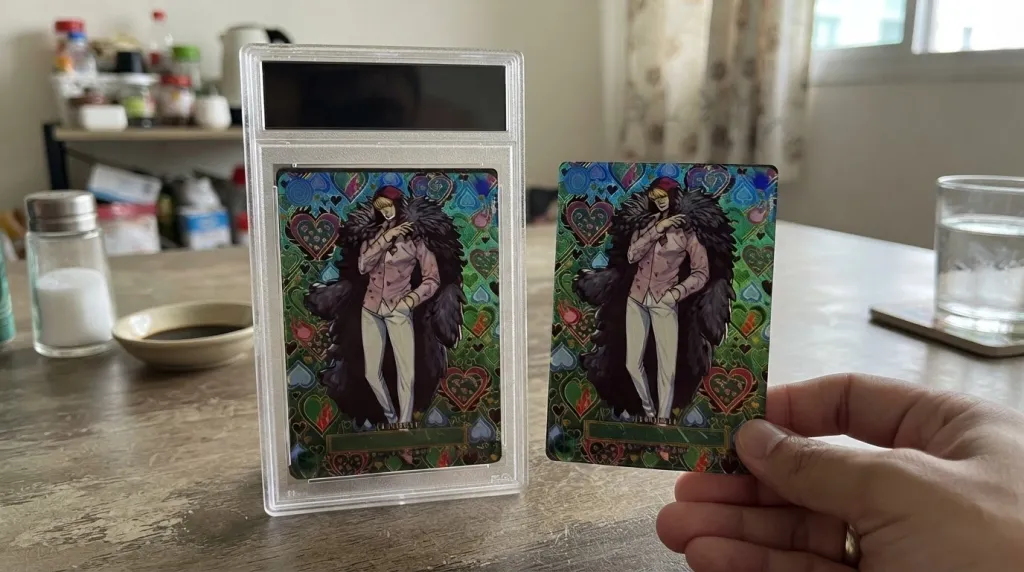
A BGS Black Label doesn’t come with one fixed market value: what a card is worth depends on the specific One Piece card and what collectors are willing to pay for it. If you’re weighing a sale or deciding whether a graded card fits your collection, that distinction matters, because the label alone can’t tell you the price of every card. This guide explains how BGS black label One Piece cards are valued and what can shift interest in Singapore, including the card’s identity, rarity, demand and recent comparable sales, so you can assess a particular slab with a clearer view of the factors behind its market value.
Key Takeaways
- Start with the exact card, language and version; small differences can change how collectors assess a graded card.
- Read the grading label and any details shown on the slab before comparing it with other listings or sales.
- Consider condition, collector demand and scarcity together. The grade alone doesn’t determine market value.
- Use recent sales of closely matched cards to build a more grounded view, rather than relying on asking prices alone.
BGS Black Label One Piece Cards
A BGS Black Label identifies a One Piece card that Beckett has awarded its Black Label grade. Collectors treat the designation as a strong condition signal, but it describes the graded card, not its market value. The specific card still matters. For example, Donquixote Rosinante OP04-119 SP and a different One Piece card remain separate collectibles, even if both carry the same label.
Read the slab as a record of two details: the card Beckett graded and the grade it received. Match the printed name and card number to the card itself. Set, language, rarity and artwork can distinguish versions that might otherwise look similar in a listing. A label alone doesn’t establish that two cards are identical.
When assessing a Black Label card, focus on the exact card shown, not just the grade name. The designation reflects Beckett’s assessment; collector demand and scarcity influence how buyers value that particular One Piece card.
How Beckett Grading Services Assigns a Black Label
Beckett Grading Services (BGS) assigns a grade after reviewing a submitted trading card. For a One Piece card, the grader assesses the physical card and records the result on its grading label. A Black Label is a BGS designation, not a separate card edition or a seller’s condition description.
The process begins when a card is submitted to BGS. Beckett reviews it under its grading standards, then records the result on the slab label. The label links the grade to the identified card, distinguishing an assessed copy from an ungraded card its owner describes as pristine.
To understand the result, read the card identification and grade together rather than relying on label colour alone. For example, match the printed name and card number on a graded One Piece card. Don’t assume a particular surface, edge, corner or centring threshold unless Beckett’s published standard confirms it. This keeps collector shorthand separate from the grading criteria.
One Piece Cards That Collectors May Grade
Collectors may consider grading One Piece cards that matter to their collection, especially copies they want assessed and displayed in a slab. Candidates might include character cards, cards with distinctive artwork, promotional releases or cards with a special rarity designation. The right choice depends on the card’s condition and your collecting goals, not simply its category.
The One Piece Japanese Donquixote Rosinante OP04-119 SP Single Card is a named example of an SP card a collector might consider. Its name identifies the character, card number and SP designation, giving you concrete details to match against the physical card. Check the character, number, rarity and language when identifying a version, since these details help distinguish cards that may look similar.
Before deciding, consider your goal. A card kept for personal enjoyment may not need grading, while one you plan to trade or catalogue may benefit from a recorded assessment. No card type guarantees a particular grade.
What Affects the Market Value of a BGS Black Label Card
A Black Label can attract collector interest, but it doesn’t set a fixed market value. Buyers also consider the card’s identity, current demand, scarcity and evidence from comparable sales.
A character card with strong collector interest may draw more attention than a less sought-after card, even at the same grade. Set, language, rarity, artwork and card number help distinguish versions. Scarcity may support interest when collectors have fewer comparable copies to consider, but rarity alone doesn’t establish what a buyer will pay.
Condition still matters because the label applies to one graded copy, not every example of that card. Surface wear, edge damage or print marks visible in photos can affect buyer confidence and the assessment of the slab.
For a grounded estimate, compare completed sales for the exact card and grade. Asking prices show what sellers hope to receive; completed transactions provide evidence of actual buyer activity.
How to Assess a BGS Black Label One Piece Card
Assess the exact slab, not just its Black Label. Start with the card identity and grading details, then compare like with like. Even a small mismatch in card number, language or version can make a comparison unreliable.
- Read the BGS label. Match the card name, number, set details and language to the card shown.
- Review clear front and back images. Look for visible slab damage or details that affect your confidence in the listing.
- Compare completed sales for the same card version and grade. Separate completed transactions from active asking prices, which show what sellers hope to receive.
Next, consider whether those sales reflect similar collector demand and scarcity. A single transaction may not represent the wider market, especially if few matching copies have sold. In Singapore, keep comparisons consistent in currency and transaction context. Record the card details and sale evidence you used; this makes your assessment easier to revisit as collector interest changes.
FAQs
Does a BGS Black Label guarantee a future sale?
No. A grade records Beckett’s assessment, but it doesn’t guarantee a buyer will be available or that collector interest will remain the same. Your plans for the card matter too, whether you intend to keep it, trade it or sell it.
Should you treat a Black Label as proof of rarity?
No. The label identifies a grading result, not how many copies of a card exist. Consider the specific One Piece card and its scarcity separately when assessing collector interest.
What should you do if card details on a slab seem unclear?
Pause before relying on a listing or sale comparison. Clear identification matters: if card details are unclear, it’s harder to know whether you’re assessing the correct version.