
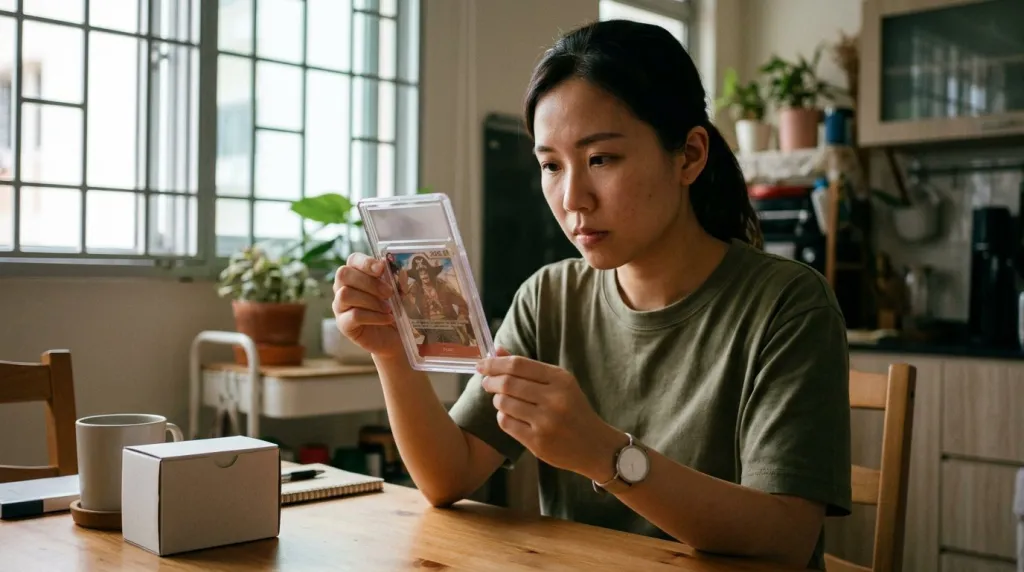
A CGC Pristine 10 on a One Piece card signals exceptional condition, but the grade alone doesn’t determine value; for cgc pristine 10 One Piece cards, the card’s version, language, and collector interest also matter.
A high grade can catch your eye, but it helps to know exactly what the label tells you before choosing a card for your collection.
This guide explains the grade and shares practical checks for evaluating or buying a card in Singapore, so you can make an informed choice.
Key Takeaways
- Learn what a CGC Pristine 10 grade tells you about a card’s condition, and what the grade alone can’t tell you.
- Assess how the card’s version, language, and collector demand can influence interest in a graded copy.
- Use the slab label and card details to make a more informed purchase decision.
- Explore how Gaming Otaku’s trading card sourcing and One Piece offerings can help with your collecting plans.
What a CGC Pristine 10 Grade Means for One Piece Cards
CGC assigns Pristine 10 to a card assessed in exceptionally strong condition. For a One Piece card, the grade describes condition, not character popularity, rarity, or tournament strength. Monkey D. Luffy’s Pristine 10 label doesn’t make every Luffy card equally scarce or sought after. The grade applies to one specific copy, not every printing of the same card.
Read the slab label for the card name, set code, rarity, language, and finish, then match those details to the version you want. Trafalgar Law and Roronoa Zoro cards, for example, can have different printings even when the characters are familiar.
Inspect the card through its holder for visible flaws, label mismatches, or case damage. The label records CGC’s assessment of condition; it does not establish collector demand or guarantee any other qualities. A top grade does not erase differences in artwork, edition, or personal collecting goals.
What Affects Collector Interest in CGC Pristine 10 One Piece Cards
Condition shapes a card’s appeal, but collectors also consider its character, set, rarity, artwork, language, and version. A Pristine 10 Monkey D. Luffy card may attract different interest from a Pristine 10 card featuring another character. Confirming those details helps you compare similar cards.
Interest can shift as fans connect with a character or release. A card tied to a memorable One Piece moment may appeal to fans for reasons beyond its grade. Check the label’s exact identification: an alternate-art card and a standard version are separate collectibles, even if they feature the same character.
When comparing cards, check the language, version, grade, and artwork. Treat the slab’s grade as information about condition, not a measure of future demand. Your collecting goals matter too: a favourite character or artwork may be more meaningful to you than broad collector interest.
How to Check a CGC Pristine 10 One Piece Card Before Buying
Start with the slab label. Match the character, card number, set, rarity, language, and finish to the One Piece card you intend to buy. For example, a Donquixote Rosinante OP04-119 SP should match those identifying details, not just the character name. This helps catch a listing that describes a different printing.
Examine clear images of the slab’s front and back. Check that the card sits securely in its holder and that the label is readable. Look for cracks, chips, or deep scratches on the case, which can affect its presentation. Reflections may hide details, so compare images from more than one angle when available.
Finally, compare the card shown with the seller’s written description. Confirm that the grade, card identity, language, and included item all match. Keep the listing details with your purchase records. A Pristine 10 grade describes the card’s assessed condition, while your inspection helps you judge the slab and listing you’re actually buying.
Buying Tips for CGC Pristine 10 One Piece Cards
Set your goal before comparing listings. If you collect a favourite character, prioritise the artwork and version, not the grade alone. If you’re building a set, confirm the set and language: Japanese and English-language releases are distinct targets.
Check the card number, rarity, language, finish, and grade against the details in the listing. Note any differences in the card version, and review the card’s condition and holder for details that matter to your collection.
Consider presentation and collecting purpose, too. A display-focused collector may care about label alignment and holder condition, while a character-focused collector may prioritise artwork. Read the listing details and purchase terms before proceeding. Keep your transaction record, and take your time if a copy does not match your priorities. This keeps the grade in perspective and helps you focus on the card you actually want.
Gaming Otaku
Gaming Otaku is a practical next step if your CGC research has clarified what you want to collect, but you’re also considering other One Piece items. Its One Piece offerings include the ONE PIECE Card Game 4th Anniversary Four Emperors Treasure Get Campaign Pack (JP) and One Piece Japanese Donquixote Rosinante OP04-119 SP Single Card.
These examples offer different formats to consider: a campaign pack and a named single card. They are different from a CGC-graded card, so assess each listing by its stated item type and details. If you’re focused on graded collecting, use the checks in this guide to assess a slab before deciding. If you’re building a wider One Piece collection, these products offer options beyond graded singles; apply the same care to condition and card identity.
Contact Gaming Otaku if you’d like to discuss your collecting needs.
Frequently asked questions
What details should you keep after buying a graded card?
Keep your order record with the card’s identifying details. This makes it easier to refer to the exact copy later, update your collection notes, or compare it with another version.
Can a graded card still fit into a character-focused collection?
Yes. You can collect around a character, artwork, or release, and treat the grade as one factor in your choice. Choose the card that best fits the theme you want to build.
Should you buy a card just because it has a Pristine 10 grade?
Only if it fits your collecting goals. A grade can inform your choice, but your interest in the specific card should guide whether it belongs in your collection.