
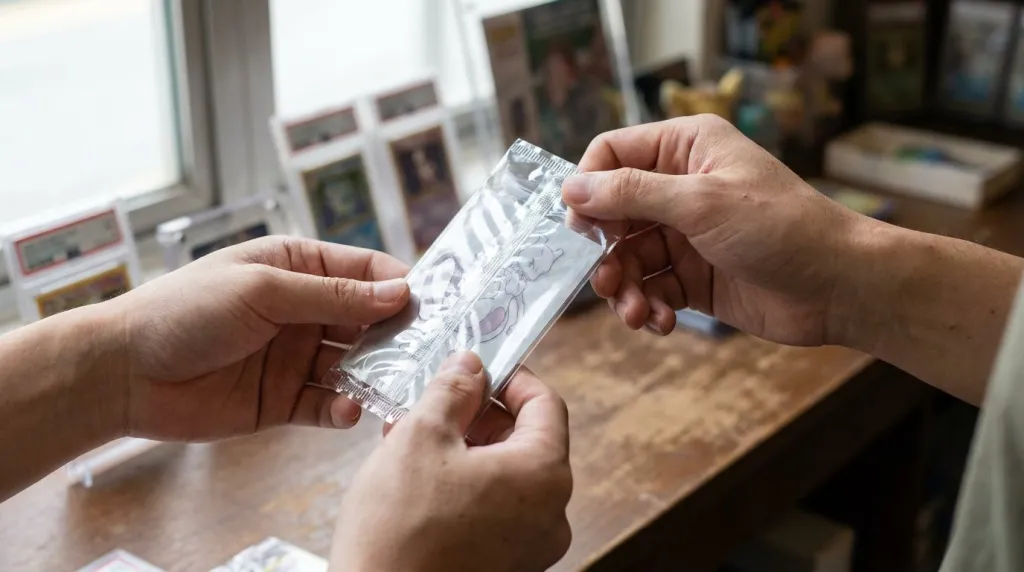
A sealed Pokémon product can look convincing and still need closer inspection: authenticity depends on the whole package, not one neat strip of plastic. To learn how to check sealed Pokémon cards, inspect the packaging, seals, box structure and condition together, then compare the product with the expected format.
A careful check matters because tampering can be hard to spot at a glance, and a clean-looking box does not settle the question. Inspect the seals and product details, distinguish normal wear from possible interference, and assess whether the packaging matches the specific Pokémon item.
Check factory shrink wrap, tape and glue joints, printed details, pack counts, and damage to corners or edges. Gaming Otaku sells Pokémon trading cards and sources hard-to-find collectibles, making it a useful next step when you’re looking for a specific sealed item and want to consider its authenticity and condition.
Key Takeaways
- Assess packaging, printed details and seals together rather than relying on one visual clue.
- Use the product’s expected contents and format as context when reviewing a sealed item.
- Look for signs of tampering, including disturbed tape, altered shrink wrap or weakened glue joints.
- Separate ordinary wear from damage that could affect the box’s integrity or collector condition.
How can I verify a sealed Pokémon product is authentic?
Use several clues together: product details, packaging, seals and condition. One clean-looking seam cannot prove authenticity on its own. Start by identifying the exact Pokémon TCG product and language, then compare its printed set logo, artwork and stated contents with the expected format. Batch codes and colour fidelity can add context, but neither proves authenticity by itself.
Pack counts help spot a mismatch. A Pokémon Booster Box contains 36 booster packs, while a Booster Bundle contains six. Other sealed product boxes may contain 6, 12 or 60 packs, depending on the product. An Elite Trainer Box or another distinct product has its own contents, so don’t apply Booster Box expectations to every box. Inside a booster pack, the card count can vary by set, commonly from 9 to 11 cards.
Factory crimps should form sealed, continuous edges, without cuts, openings or signs of a second seal. Check both ends of the booster pack and its wrapper seams. Crimps can look different across products, so compare like with like rather than expecting every pack to have the same pattern.
Be cautious if a booster box is described as sealed but its wrapping or other factory closure is missing or visibly disturbed. A box sold unsealed is not automatically fake, but it cannot be assessed as an intact factory-sealed product. When checking sealed Pokémon cards, assess packaging integrity alongside product details, not just the seller’s description.
Weighing is not a dependable way to identify rarity. Pokémon says its booster packs use two types of code cards with different weights to compensate for other cards in the pack. Weight alone is therefore a poor basis for judging whether a pack has been opened, searched or mapped for a particular pull.
If a product appears tampered with after purchase, stop opening it and keep the packaging, receipt and listing details. Photograph the seals and damage, then contact the seller through the purchase channel and share the evidence.
Authenticating sealed Pokémon items
Promo products need a different comparison from ordinary booster packs. A sealed promo card may come in a card-sized wrapper or as part of a larger collection, so first identify the exact release and packaging type. Match the listing title to the product name, card artwork, language and printed promotion details. “Sealed” describes the packaging state, not proof of who produced the item.
Use the Pokémon Company’s official product or release information as a reference when available. Compare the listing with images of the same release, not a similar card from another collection. Check that the card name, Pokémon artwork, set or promo markings, and visible text align. A trainer promo and an energy card serve different purposes, so confirm the card matches the listing.
- Product identity: Match the full promo name and release details in the listing.
- Packaging: Check that the wrapper or presentation matches the product type shown.
- Images: Look for consistent artwork, text placement and branding across views.
- Condition: Note creases, punctures, residue or damage near the card and its seal.
Listing photos should clearly show the front, back, edges and closure. A single front-facing image can hide a torn corner or a wrapper that has been opened and resealed. Inspect close-ups for uneven printing, blurred text or details that differ between views. Packaging wear can affect collector condition without proving the card is fake, so assess authenticity and condition separately.
For a promo included with a larger collection, identify every visible component before judging the listing. Compare the stated contents with the packaging and release details. Treat loose energy cards or sleeves shown beside a sealed promo as separate items unless the product presentation identifies them as included. If names, images or contents conflict, pause before buying and request clear photos of the exact item. This gives you evidence to assess the listing instead of relying on a broad “official” claim.
Box structure and condition
Inspect a Pokémon Trading Card box from several angles, not just the front. It should hold its shape, with corners, edges and panels meeting cleanly. Look for dents, crushed corners, tears, lifted flaps or uneven gaps. These can affect collector condition, even if they don’t establish whether the product is genuine.
To check a Pokémon booster box for resealing, inspect its joins and closures together. Look for intact glue joints, continuous factory shrink wrap and tape that appears untouched. Glue residue, overlapping tape, loose wrap or a cut hidden beneath a fold can indicate altered packaging. Consider any single mark in context, as handling or transport can also cause damage.
Compare the box format with the exact product and language in the listing. A Japanese Pokémon trading card product may have different printed text or packaging from an English release. Confirm that the name, set logo and artwork match the stated format. Different language packaging is not a defect, but a mismatch between the listing and the item is a reason to pause.
- Corners: Check for crushing, folds or splits in the cardboard.
- Panels: Look for bowing, punctures or surfaces that don’t sit flat.
- Closures: Inspect tape, glued seams and flaps for lifting or residue.
- Wrap: Look for cuts, patches, loose sections or double layers.
These signs can help assess possible tampering, but no single detail proves it. A dent may affect condition without compromising the seal. Double layers of wrap or adhesive marks deserve closer attention, especially alongside disturbed seams or mismatched packaging. Review photos of the top, bottom and every side. If a listing shows only one angle, you cannot judge the full box structure.
Record visible damage before opening a delivered box. Keep the outer packaging and take clear photos of affected areas. This creates a useful condition record and helps distinguish transit damage from a concern about the seal or box structure.
How can you tell if a Pokémon card pack or box is factory sealed?
Factory-sealed means the product’s original closure appears intact, with no visible opening or replacement. First identify the product format, since individual booster packs and boxed products use different packaging. Some boxes have factory shrink wrap; others rely on tape, folded flaps or sealed glue joints. Don’t assume every Pokémon product should have the same outer wrap.
For a shrink-wrapped box, inspect the wrap across every face, edge and corner. Look for cuts, patched sections, loose areas or an uneven second layer. Then examine the box beneath it. Continuous-looking wrap can still cover a damaged carton, so assess the packaging as a whole.
- Shrink wrap: Check for clean continuity and signs of cuts or patches.
- Tape: Look for edges that have lifted, been replaced or sit unevenly.
- Glue joints: Inspect the carton seams for separation or fresh-looking residue.
- Pack wrapper: Check both crimps and seams for openings or resealing.
If possible, compare the closure with another example of the same Pokémon product and language. Packaging varies between releases, so a Japanese box and an English box may not have identical printing or presentation. Focus on whether the closure matches that specific format, not whether it resembles another set.
A seller’s “factory sealed” label is a claim, not a visual check. Ask for clear photos of the top, bottom, sides and closure if those views are missing. For a booster pack, request close-ups of both sealed ends. If the seller provides only a stock image, you cannot assess the exact item’s wrap or seals.
Keep the listing, seller messages and delivery packaging if the item arrives with a broken seal. Photograph the affected area before opening or handling it further. These records document the product’s condition at delivery and support a clear discussion with the seller.
Ready to review a sealed Pokémon promo listing? Browse sealed Pokémon card options and assess each item’s packaging details.
Gaming Otaku: Pokémon 30th Celebration Mewtwo (What’s Your Favorite?) Stamp Promo Card (Sealed)
The Pokémon 30th Celebration Mewtwo (What’s Your Favorite?) Stamp Promo Card (Sealed) is a specific sealed promo option for collectors assessing Pokémon releases. Its named product format gives you a clear starting point: compare the listing and item details with the exact card you want, then consider the seal and packaging condition together.
Keep authenticity and condition distinct. A sealed label describes the item’s presentation, while visible wear, creases or damage can affect its condition. Review the product details and available images before deciding whether it suits your collection. If you’re looking for this promo card, Gaming Otaku offers it sealed. Contact Gaming Otaku to ask about the Pokémon 30th Celebration Mewtwo promo.
Make your next sealed-card decision with care
Use a consistent routine when a new promo or box catches your eye. Knowing how to check sealed Pokémon cards helps you assess a listing using clear criteria, but your collecting goals matter too: decide whether you want a specific promo, an unopened product or another collectible before buying.
Gaming Otaku’s collector-run team brings firsthand knowledge of the hobby. It offers the Pokémon 30th Celebration Mewtwo (What’s Your Favorite?) Stamp Promo Card (Sealed), alongside the ONE PIECE Card Game 4th Anniversary Four Emperors Treasure Get Campaign Pack (JP) and Kayou Sanrio Characters Cute Dream Fun Pack Booster Box (30 Packs). These options suit different collections, so focus on the item and condition that match what you want to add.
Contact Gaming Otaku for help with your next collecting decision. Take your time, trust the details you can assess, and enjoy choosing your next addition.
Frequently asked questions
What are the biggest scams to look out for?
Watch for loose booster packs presented as untouched stock, boxes described as sealed without an intact closure, and listings that don’t show the actual item. A mismatch between the product name, language and pictured packaging is another warning sign. Compare the description with every photo, and don’t rely on claims such as “factory sealed” without clear supporting images.
What should I inspect before buying a sealed booster box or pack?
First confirm the exact set, product format and language. Then check whether the photos show the full packaging, including less visible sides and closures. Read the condition description for dents, creases or other wear. For a bundle of packs, make sure the listing describes the bundle itself, not individual packs removed from a larger product.
How to identify fake or resealed Pokémon cards and packaging?
Compare the item with the same Pokémon release and language, checking printed names, logos, artwork and packaging details for consistency. Inspect seams, crimps and closures for signs of opening or replacement. For an individual promo card, examine its wrapper and printed card details. Don’t base your authenticity decision on one unusual mark.
How can you verify a Pokémon set, product, and packaging using official sources?
Use Pokémon’s official product information and release announcements to match the product name, set, language and expected packaging. Check the specific release, rather than comparing it with a different set or regional version. If the official information describes a boxed collection, assess the listing against that format instead of booster box standards.
What photos and details should you request when buying sealed Pokémon products online?
Ask for current photos of the exact item, showing its front, back, sides, top, bottom and closure. For a booster pack, request clear views of both crimped ends. Ask the seller to state the product name, set, language and condition in writing. These details help you compare the listing consistently and keep a useful record of what was offered.